Dial-Up Vibes: How Retro Clipart From the 90s and Y2K Era Is Taking Over Modern Creative Work
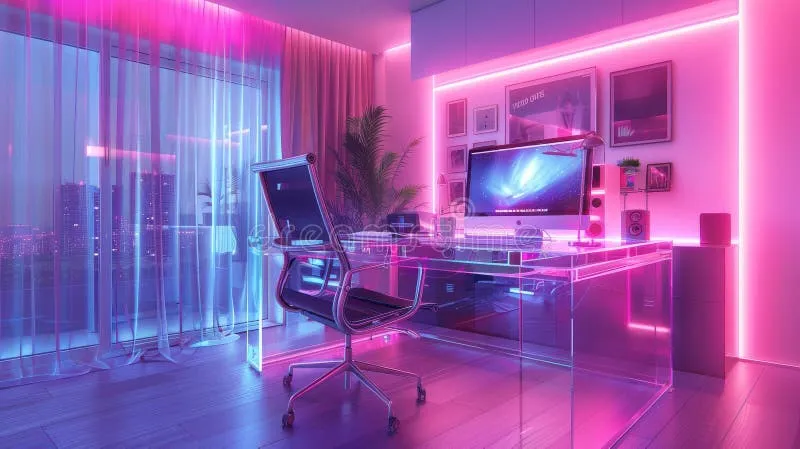
Photo: 90s Y2K retro computer aesthetic colorful design workspace, via thumbs.dreamstime.com
Remember when your mom's desktop had that little animated mailbox that flapped its flag every time a new email arrived? Or when every school project came with a clip of a cartoon kid holding a pencil, ripped straight from the Microsoft Office clipart library? Those images felt completely normal back then. Now, they're basically design gold.
The internet has gone full circle — and creators who are leaning into 90s and Y2K clipart aesthetics right now are cleaning up on engagement, brand recognition, and that coveted "authentic" feeling that modern minimalism just can't manufacture. Let's break down why this retro wave is hitting so hard and how you can ride it.
Why Nostalgia Sells (Especially Right Now)
There's actual science behind this. Nostalgia triggers a sense of emotional warmth and social connectedness — researchers call it a "psychological immune response" to uncertainty. And if there's one thing the last several years have delivered in spades, it's uncertainty. So when a millennial creator drops a graphic with a sparkly 3D star border or a chunky pixel font, their audience doesn't just see a design choice. They feel something.
For Gen Z, it's slightly different. They didn't live through the dial-up era, but they've grown up romanticizing it through Tumblr archives, vintage tech aesthetics, and TikTok rabbit holes about early internet culture. To them, Y2K clipart feels retro in the same way that 70s imagery felt to millennials — cool because it's just out of reach.
That dual appeal — hitting both millennials who remember it and Gen Zers who wish they did — makes nostalgic clipart a seriously versatile creative asset.
What's Actually Trending in the Retro Clipart Space
Not all retro is created equal. Here's what's showing up everywhere from Instagram Reels thumbnails to indie brand packaging right now:
Y2K Metallics and 3D Renders — Think shiny, bubbly text, chrome butterflies, and that particular shade of electric blue that existed only on early 2000s websites. These assets are huge in beauty, fashion, and lifestyle content.
Flat 90s Cartoon Clipart — Bold outlines, limited color palettes, slightly awkward proportions. This style has a handmade, zine-like quality that feels refreshingly human compared to the slick vector work that dominated the 2010s.
Pixel Art and 8-Bit Elements — Gaming culture and nostalgia have always been intertwined, but pixel clipart has broken out of gaming spaces entirely. You'll find it on wellness brands, coffee shop menus, and music festival posters.
Early Web Decorative Elements — Animated GIF-style dividers, starburst badges, and those little envelope and phone icons that used to live in every website's footer. Even static versions of these give off major retro internet energy.
The Indie Brand Identity Angle
Here's where it gets really interesting for small business owners and independent creators. Minimalism has been the dominant design language for so long that everything kind of looks the same now. Scroll through a certain type of wellness brand's Instagram and you'll see the exact same beige, the exact same sans-serif font, the exact same flat-lay photography style.
Retro clipart is a direct rejection of that sameness. Indie brands that lean into 90s or Y2K aesthetics are immediately visually distinct. They signal personality, a sense of humor, and a certain fearlessness. A candle brand using sparkly Y2K graphics isn't just selling candles — they're selling a vibe, a community, an identity.
This is especially powerful for creators who are building personal brands on social platforms. When your content looks like everyone else's, the algorithm might show it, but people won't remember it. Nostalgic clipart creates a visual signature that sticks.
How to Actually Use Retro Clipart Without Looking Dated
Okay, real talk — there's a difference between intentional retro and accidentally looking like you never updated your website after 2003. The key is contrast and context.
Mix old with new. Pair a chunky 90s clipart element with a clean, modern layout. The tension between the two is what makes it feel intentional rather than accidental.
Be selective. One or two nostalgic elements per design is usually plenty. Using every retro trick at once tips over from aesthetic into chaos.
Know your audience. A Y2K-inspired graphic works great for a lifestyle creator targeting 25-35 year olds. It might not land the same way for a B2B financial services brand. Context matters.
Use quality assets. This is where a solid clipart library really earns its keep. Grainy, low-resolution retro clipart looks like a mistake. High-quality retro-style assets look like a choice. There's a massive difference.
Where to Find the Good Stuff
The demand for quality retro and nostalgic clipart has absolutely exploded, and the supply is catching up. Platforms like ClipArt Brat are stocking up on curated retro collections — Y2K aesthetics, 90s cartoon styles, early web decorative elements — specifically because creators are hungry for assets that don't look like they came from a generic stock library.
When you're shopping for nostalgic clipart, look for collections that are organized by era and style rather than just lumped under "retro." The difference between a 1995 flat clipart aesthetic and a 2001 shiny chrome aesthetic is significant, and using the wrong one for your vision will feel off.
The Bigger Picture
The nostalgia economy isn't a passing trend — it's a creative response to digital overload. When everything is optimized, polished, and A/B tested into oblivion, imperfection and familiarity become luxuries. Retro clipart carries emotional weight that a perfectly rendered minimalist icon simply can't replicate.
For content creators and designers who are tired of blending into the feed, leaning into the past might be the most forward-thinking move you can make. Grab those sparkly stars, dust off those pixel borders, and let your inner 90s kid run the brand for a while. Your audience will feel it — in the best possible way.