The Gatekeepers Lost: How Clipart Went From Punchline to Prestige
There's a specific kind of cringe that older designers still carry around. It's the memory of some mid-2000s PowerPoint presentation — clip art sun in the corner, WordArt title, Comic Sans body copy — and the collective shudder that followed. For a long time, that association was enough to keep clipart buried under a thick layer of professional shame.
But something cracked open in the last few years. And now, the design establishment is quietly — sometimes not so quietly — admitting that it had clipart wrong all along.
What Actually Changed
Let's be honest: clipart didn't change. The conversation around it did.
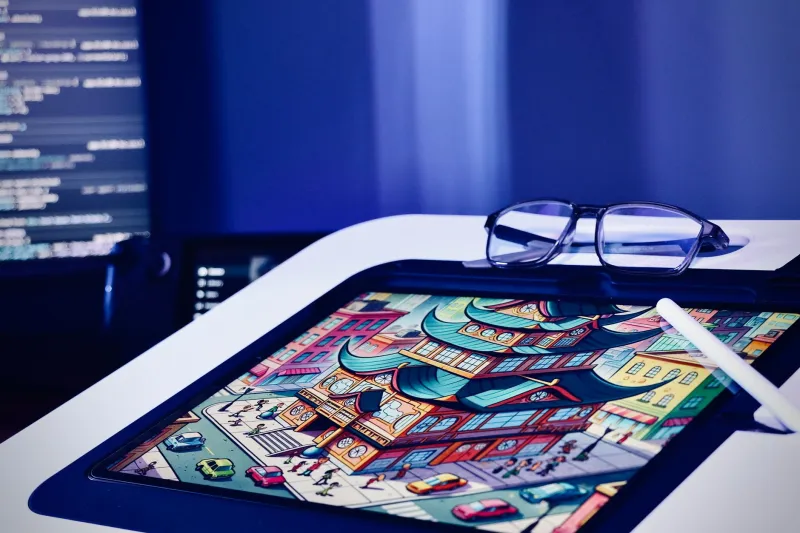
Design publications that once ran think-pieces about "elevating" your visual work (read: stop using anything that looks hand-drawn or pre-made) started running features on illustrators and brand designers who built entire visual identities out of clipart-style assets. Not ironically. Not as a novelty. As legitimate, considered creative work.
Fast Company, Print Magazine, and a handful of respected design blogs have all featured clipart-adjacent work in the last two years without a single winking disclaimer. That's not an accident — that's a cultural pivot.
The shift tracks with something bigger happening in American creative culture: a growing exhaustion with hyper-polished, AI-smoothed, algorithmically optimized aesthetics. When everything looks like it was generated by the same machine, something rough and intentional starts to feel radical.
The Gatekeeping Was Never Really About Quality
Here's the part nobody wants to say out loud: the resistance to clipart was never really about aesthetics. It was about access.
For most of design's professional history, creating original visual work required either expensive software, years of training, or the budget to hire someone who had both. Clipart democratized that. It handed creative power to people who hadn't paid the entry fee — small business owners, teachers, bloggers, self-taught creators — and the establishment didn't love that.
Gatekeeping in design, like in most creative fields, has always been partly about protecting the value of credentialed expertise. When a $12 clipart pack lets a bootstrapped Etsy seller produce marketing materials that look genuinely charming and on-brand, that threatens the premise that you need to spend thousands on a designer to look credible.
So the mockery wasn't really about the clipart. It was about who was using it.
Established Designers Who Broke Ranks
The real turning point came when designers with serious credentials started publicly embracing illustrated assets — not as a guilty pleasure, but as a deliberate tool.
Several mid-career designers who built their reputations on sleek, minimal work have started incorporating flat illustration and clipart-style elements into client projects, citing the need to create work that feels human in an era when AI-generated visuals are flooding every feed. One Brooklyn-based designer who's worked with national retail brands put it plainly in a podcast interview last year: "I started using illustrated assets because my clients kept saying their content felt cold. Clipart — and I use that word on purpose — brought the warmth back."
That's not a fringe opinion anymore. It's becoming the consensus.
The psychology behind why gatekeepers resisted for so long is actually pretty well-documented in creative fields. Sociologists who study taste and cultural capital have consistently found that professional communities use aesthetic preferences as social sorting mechanisms. What's "good" design gets defined partly by what requires specialized knowledge to produce. When that barrier drops, the community has to either expand its definition of good — or double down on exclusion.
For a while, design culture doubled down. Now it's expanding.
The Numbers Back It Up
Adoption data from design platforms tells a clear story. Downloads of illustrated and clipart-style assets have grown steadily year over year, with the sharpest increases coming from professional designers — not just hobbyists or beginners. Platforms that once positioned themselves as strictly "premium" stock photo destinations have quietly built out massive illustrated asset libraries to meet demand.
Etsy's design asset category, heavily populated by clipart bundles and illustrated graphic packs, has seen consistent growth among buyers who identify as working designers and brand consultants — not just DIY crafters. That's a meaningful signal.
Content creators on Instagram and TikTok have also played a massive role in normalizing the medium. When someone with 400,000 followers builds their entire visual brand around a cohesive clipart aesthetic and gets brand deals because of it — not in spite of it — the old hierarchy starts to look pretty shaky.
What "Legitimate" Actually Means Now
The most interesting part of this whole shift is how it's forcing a redefinition of legitimacy in design.
For a long time, legitimacy meant: original, bespoke, created from scratch, and ideally expensive. That definition served a specific economic model — one where clients paid premium rates for custom work and designers controlled the means of visual production.
The new definition looks different. Legitimacy now has more to do with intentionality — whether you made considered choices, whether your visual language is coherent, whether the work connects with an audience. A creator who builds a recognizable brand identity using curated clipart assets, thoughtfully combined and consistently applied, is doing something that deserves to be taken seriously. The tool used to make it is irrelevant.
This is actually how it works in every other creative field. Nobody dismisses a musician for using samples instead of live instruments if the result is compelling. Nobody tells a filmmaker their movie doesn't count because they used stock footage in the edit. The outcome is what matters.
Design is just catching up.
Where It Goes From Here
The gatekeepers haven't disappeared — they've just lost the volume on their microphone. There are still corners of the design world where clipart remains a liability, where clients would raise an eyebrow and where certain publications wouldn't touch it. That's fine. Every medium has its contexts.
But the cultural momentum is undeniable. Clipart is no longer something creators feel the need to hide or explain away. It's a legitimate part of the visual toolkit — for small business owners building their first brand, for seasoned designers looking for a human touch, for content creators who want a consistent aesthetic without a $10,000 illustration budget.
At ClipArt Brat, we've been watching this shift for a while. And honestly? It feels less like a renaissance and more like a correction. The medium was never the problem. The attitude around it was.
The gatekeepers had their run. The creators took it from here.